

3073 Trenwest Drive, 1st Floor
Winston-Salem, NC 27103

Allergies or Dry Eye? How to Tell What’s Really Causing Your Irritated Eyes
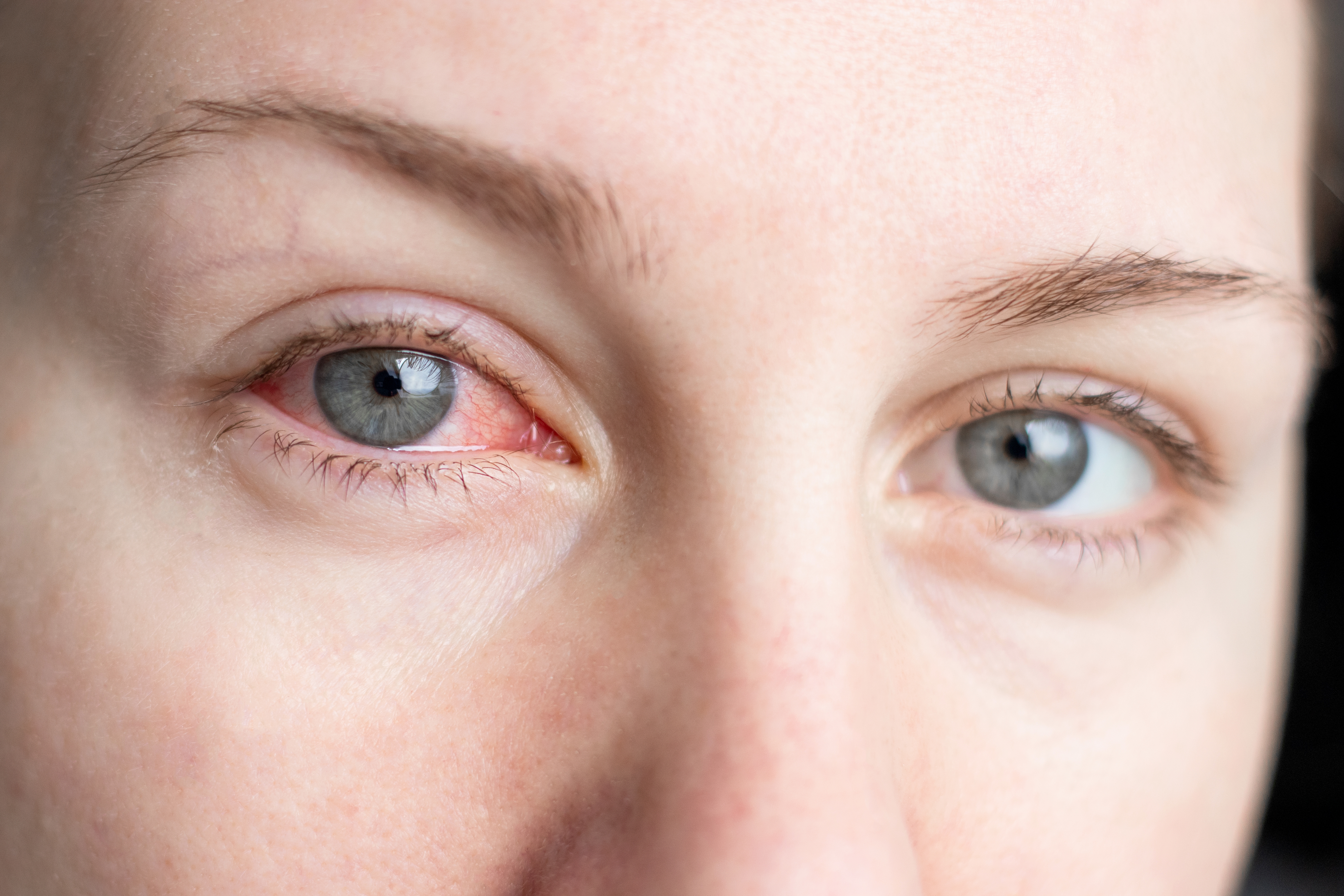
Red, watery, itchy, or burning eyes can make it difficult to tell whether seasonal allergies or dry eye is responsible. In Winston-Salem, changing seasons, pollen, outdoor allergens, screen use, and other environmental factors can all contribute to irritated eyes. At Summit Eye Care, we evaluate the eye surface and tear film to determine what is actually causing your symptoms so treatment can address the underlying problem.
Signs Your Irritation May Be Eye Allergies
Eye allergies occur when the eyes react to allergens such as pollen, dust, pet dander, or mold. Itching is often one of the strongest clues that allergies are involved, especially when symptoms appear or become worse during certain seasons.
Common allergy symptoms include:
• Intense itching
• Red or swollen eyes
• Excessive watering
• Puffy eyelids
• Symptoms that worsen around specific allergens
Although allergies and dry eye are different conditions, they can occur at the same time. Allergic inflammation can disrupt the tear film, while rubbing irritated eyes may make discomfort worse.
When Dry Eye May Be the Problem
Dry eye develops when your eyes do not produce enough tears or when your tears evaporate too quickly. Patients with dry eye may experience burning, stinging, grittiness, fluctuating vision, light sensitivity, or even excessive watering. Watery eyes can occur because dryness triggers reflex tearing, but these tears may not provide adequate lubrication. Dry eye symptoms may also become more noticeable with prolonged screen time, contact lens wear, medications, age-related changes, or meibomian gland dysfunction.
How We Determine What Is Causing Your Symptoms
Because allergies and dry eye can produce similar symptoms, guessing based on discomfort alone is not always enough. At Summit Eye Care, our dry eye evaluation can include TearLab osmolarity testing, InflammaDry testing, meibomian gland imaging, ocular allergy testing, and an Oculus Keratograph tear film analysis. These technologies help us evaluate tear quality, inflammation, oil gland function, allergies, and tear film stability.
Identifying whether allergies, dry eye, or a combination of both is involved allows us to create a more targeted treatment plan instead of simply relying on temporary symptom relief.
Personalized Dry Eye Treatment In Winston-Salem
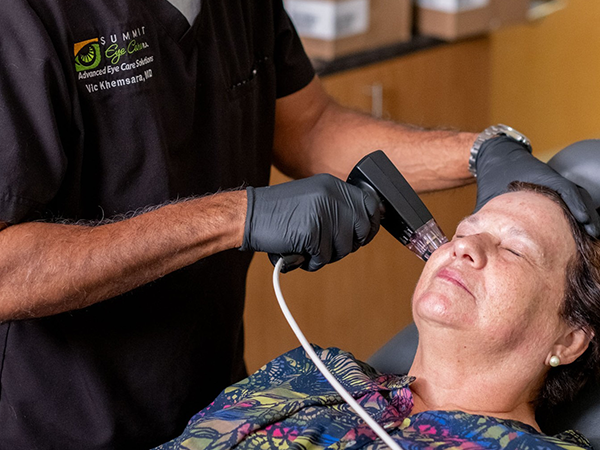
When dry eye is contributing to irritated eyes, treatment depends on what is disrupting the tear film. We offer options including LipiFlow thermal pulsation, intense pulsed light therapy, radiofrequency therapy, BlephEx eyelid cleaning, meibomian gland probing, punctal plugs, prescription eye drops such as Xiidra or Restasis, amniotic membrane therapy, omega-3 supplementation, and autologous serum therapy.
For patients with meibomian gland dysfunction, treatments such as LipiFlow, IPL, or radiofrequency therapy may help address blocked or poorly functioning oil glands. Other patients may benefit from therapies designed to reduce inflammation, retain natural tears, or support healing of the ocular surface. The right approach depends on your individual evaluation.
If your eyes continue to feel itchy, dry, watery, or irritated, schedule a dry eye evaluation with Summit Eye Care to determine what is really behind your symptoms and find treatment suited to your eyes. Contact our office in Winston-Salem, NC, by calling (336) 765-0960 to book an appointment today.


Summit Eye Care

Summit Eye Care P.A Surgery Center
Call Us Today:
336.765.0960
336.765.0960
Monday to Friday
8AM - 5PM
8AM - 5PM
© 2026 Summit Eye Care. All Rights Reserved. Accessibility Statement - Privacy Policy - Sitemap
