

3073 Trenwest Drive, 1st Floor
Winston-Salem, NC 27103

Diabetic‑Related Eye Exams in Winston‑Salem, NC
What Is a Diabetic Eye Exam?
A diabetic eye exam is a specialized eye evaluation designed to monitor and protect the vision of people living with diabetes. Diabetes can affect the small blood vessels of the retina, the light‑sensitive layer at the back of the eye, leading to a condition known as diabetic retinopathy. Over time, damage from high blood sugar levels can cause fluid leakage, bleeding, scar tissue, and vision loss if not detected and treated early.
This type of eye exam goes beyond a routine vision check. It focuses on identifying early signs of diabetic eye disease so that treatment can begin before significant or irreversible vision loss occurs.

Why Diabetic Eye Exams Matter
People with diabetes, including both Type 1 and Type 2 diabetes, are at risk of developing diabetic retinopathy and other diabetes‑related eye conditions. Because these conditions often do not cause noticeable symptoms in the early stages, regular diabetic eye exams are essential for early detection and treatment.
Early detection through specialized diabetic‑related exams can:
Prevent or slow vision loss from diabetic retinopathy
Identify other diabetes‑associated eye problems earlier
Help guide diabetes management to protect long‑term vision
Support timely referrals and interventions when needed
Experts recommend that patients with diabetes receive a dilated eye exam at least once a year to screen for diabetic eye disease even before vision changes occur.
What to Expect During a Diabetic‑Related Eye Exam
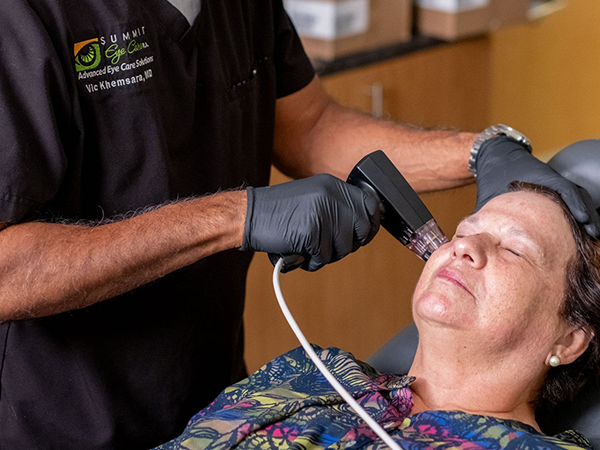
The process of a diabetic eye exam at Summit Eye Care is simple, non-invasive, and often included as part of a comprehensive eye exam. Most patients don’t even realize a specific test for diabetes-related eye complications is being performed.
During your exam:
- Pupil Dilation - Eye drops are administered to temporarily blur your vision. They may sting slightly at first, but this sensation passes quickly. The dilation allows your doctor to examine the retina and other structures at the back of your eye.
- Retinal Imaging - You will rest your head on a device and look through a lens toward a camera. High-resolution images of the back of your eyes are taken, capturing the retina and other critical structures. You may see a brief flash during imaging, but the process is painless.
- Visual Acuity Testing - You will read letters from a chart at a distance and from a card held in front of you to assess how clearly you see.
The information gathered during these tests helps your eye doctor determine if there are any signs of diabetic retinopathy or other diabetes-related eye conditions. If abnormalities are detected, your doctor will discuss the best plan to protect your vision, which may include:
Adjusting diabetes management strategies
Medications or therapies
Additional treatments if necessary
Your care plan will be tailored to your individual circumstances to preserve your long-term eye health and vision.
Am I at Risk for Diabetic Eye Disease?
Certain factors increase your risk for developing diabetic eye disease, including diabetic retinopathy. Understanding these risks helps you and your eye doctor take proactive steps to protect your vision.
You may be at higher risk if you:
Have Type 1 or Type 2 diabetes
Have had diabetes for more than 5 years
Have poorly controlled blood sugar levels
Have high blood pressure or high cholesterol
Are pregnant and have pre-existing diabetes
Have a family history of diabetic eye disease
Even if you do not have noticeable vision changes, early diabetic eye disease often develops silently. That’s why annual diabetic eye exams are essential for everyone with diabetes, especially if you have one or more of the risk factors listed above.
By identifying changes early, your eye doctor can implement treatments and lifestyle adjustments to help prevent or slow vision loss.

Frequently Asked Questions
How often should a diabetic patient have a diabetic eye exam?
Most patients with diabetes should have a dilated diabetic eye exam at least once every 12 months. More frequent exams may be recommended based on your eye health and diabetes management.
Is a diabetic eye exam the same as a routine eye exam?
A diabetic eye exam includes all elements of a comprehensive eye exam but places extra emphasis on detailed examination of the retina and blood vessels to detect early signs of diabetic eye disease.
Can diabetic eye disease cause vision loss without symptoms?
Yes. Early diabetic eye disease often has no noticeable symptoms. That makes regular, dilated diabetic eye exams essential for early detection and prevention of vision loss!
Why can diabetes affect my eyesight?
High blood sugar can damage the small blood vessels in the retina and lead to diabetic eye disease.
Why can diabetes affect my eyesight?
High blood sugar can damage the small blood vessels in the retina and lead to diabetic eye disease.
What is diabetic retinopathy?
Diabetic retinopathy is a condition where high blood sugar damages the blood vessels in the retina, potentially causing vision loss if untreated.
What are the warning signs of diabetic eye disease?
Symptoms may include blurry vision, floaters, fluctuating vision, dark spots, difficulty seeing at night, or sudden vision loss. However, many diabetic eye conditions develop silently before affecting vision, making early detection critical.
Can diabetic retinopathy cause blindness?
Yes. Untreated diabetic retinopathy can lead to severe vision loss or blindness over time.
Schedule Your Diabetic‑Related Eye Exam
If you have diabetes or are at risk for diabetic eye disease, contact Summit Eye Care in Winston‑Salem, NC to schedule a diabetic‑related eye exam. Our team uses advanced retinal imaging and expert evaluation to help protect your vision through early detection and personalized care.
Call: (336) 765-0960


Summit Eye Care

Summit Eye Care P.A Surgery Center
Call Us Today:
336.765.0960
336.765.0960
Monday to Friday
8AM - 5PM
8AM - 5PM
© 2026 Summit Eye Care. All Rights Reserved. Accessibility Statement - Privacy Policy - Sitemap
