

3073 Trenwest Drive, 1st Floor
Winston-Salem, NC 27103

Dry Eye Services in Winston‑Salem, NC
What Is Dry Eye?
Dry eye is a chronic condition that occurs when the tear film (the natural protective layer of tears on the surface of the eye) is not functioning properly. This can happen because tears evaporate too quickly, are not produced in sufficient quantity, or lack the right balance of oils, water, and mucus needed to keep the eyes comfortable, clear, and healthy.
Dry eye can lead to irritation, redness, burning, fluctuating vision, and discomfort, especially during activities like reading, screen use, or outdoor exposure.
Why Dry Eye Evaluation Matters
Dry eye is common and can be caused by a range of factors including:
Meibomian gland dysfunction (oil gland blockage or loss)
Inflammation of eyelids or ocular surface
Allergies or environmental triggers
Contact lens wear or certain medications
Age‑related changes to tear production
Because it has many underlying causes, accurate diagnosis is essential. A thorough evaluation helps your doctor determine the type and severity of dry eye so that the most effective treatment plan can be developed.

What to Expect During a Dry Eye Evaluation
A dry eye evaluation at Summit Eye Care includes advanced diagnostic testing to assess your tear film and eye surface in detail. These tests help identify exactly what is contributing to dry eye symptoms and guide personalized care.
Typical tests may include:
TearLab Osmolarity Testing - Measures the salt concentration in your tears to assess tear quality.
InflammaDry Testing - Detects markers of inflammation on the eye surface.
Meibomian Gland Imaging - Visualizes oil glands to assess function and structure.
Korb Meibomian Gland Evaluator - Tests the quality of the oils produced by your eyelid glands.
Ocular Allergy Testing - Identifies allergic contributors to dry eye symptoms.
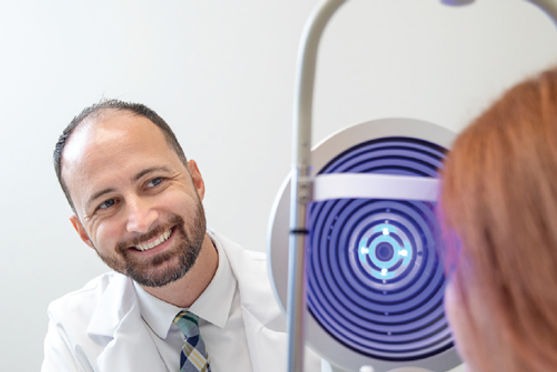
Tear Film Analyzer (Oculus Keratograph) - Provides a full evaluation of tear film layers and stability.
These diagnostic tools help your doctor create a detailed profile of your dry eye condition, which leads to more effective, targeted treatment.
Customized Dry Eye Treatment Options
Based on your evaluation results, your doctor will recommend a personalized treatment plan. Dry eye therapy is not one‑size‑fits‑all - it is tailored to the specific underlying causes identified during your exam.
Possible treatment options may include:
LipiFlow® Thermal Pulsation Therapy - Gently heats and massages the eyelids to unclog meibomian glands.
Intense Pulsed Light (IPL) Therapy - Reduces eyelid inflammation and improves gland function.
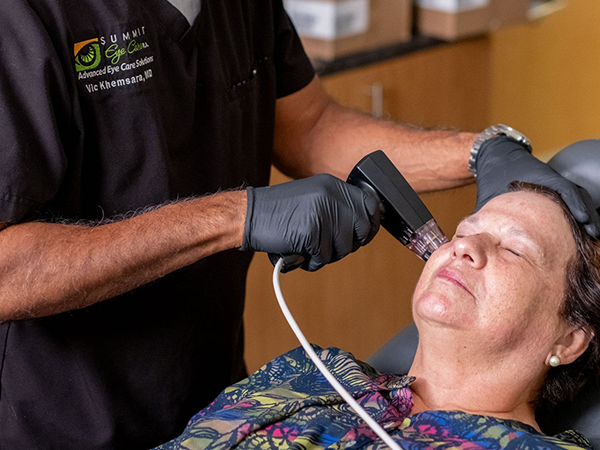
Radiofrequency (RF) Therapy - Uses controlled radiofrequency energy to stimulate eyelid glands and improve oil secretion, reducing dry eye symptoms.
Blephex® Eyelid Cleaning - Deep cleans eyelid margins to reduce bacterial buildup.
Meibomian Gland Probing - Opens blocked oil glands.
Punctal Occlusion (Tear Retention Plugs) - Helps retain tears by reducing drainage.
Amniotic Membrane Therapy - Supports healing in more severe cases.
Dietary Supplements (e.g., Omega‑3s) - Supports tear film health.
Prescription Eye Drops (like Xiidra or Restasis) - Reduces inflammation and increases tear production.
Autologous Serum Therapy - Uses components of your own blood to promote healing.
Every treatment plan is designed to match your unique tear film imbalance and symptoms, helping improve comfort, tear stability, and overall eye health.
Frequently Asked Questions
What are common symptoms of dry eye?
Dry eye symptoms may include persistent dryness, burning or stinging, redness, fluctuating vision, sensitivity to light or wind, and a gritty or sandy feeling in the eyes.
Does dry eye get worse without treatment?
Yes. If left untreated, dry eye can lead to chronic irritation, inflammation, and sometimes more serious surface damage over time. Early evaluation and treatment help prevent progression.
Is dry eye treatment painful?
Most dry eye evaluations and treatments are non‑invasive and comfortable. Some diagnostic tests use gentle pressure or imaging, and most therapies focus on restoring natural tear function with minimal discomfort.
What causes dry eye disease?
Dry eye can result from aging, screen use, medications, hormonal changes, autoimmune conditions, or poor tear quality.
Why do my eyes feel dry but still water?
Watery eyes are often a symptom of dry eye disease. When the eyes become irritated from dryness, they may produce excess reflex tears that do not properly lubricate the surface of the eye.
Can screen time make dry eye worse?
Yes. Looking at screens reduces blinking frequency, which can increase eye dryness and irritation.
Is dry eye permanent?
Dry eye is often a chronic condition, but symptoms can usually be managed successfully with proper treatment.
Why do my eyes feel gritty or sandy?
A gritty sensation is one of the most common symptoms of dry eye disease and eyelid inflammation.
Schedule Your Dry Eye Evaluation
If you are experiencing symptoms of dry eye or want a detailed assessment of your tear film quality, contact Summit Eye Care in Winston‑Salem, NC. Our team provides advanced diagnostic testing and personalized treatment plans to help you see, feel, and live better without dry eye discomfort.
Call us at 336.765.0960


Summit Eye Care

Summit Eye Care P.A Surgery Center
Call Us Today:
336.765.0960
336.765.0960
Monday to Friday
8AM - 5PM
8AM - 5PM
© 2026 Summit Eye Care. All Rights Reserved. Accessibility Statement - Privacy Policy - Sitemap
