
3073 Trenwest Drive, 1st Floor
Winston-Salem, NC 27103

Glaucoma in Winston‑Salem, NC
What Is Glaucoma?
Glaucoma is a group of eye conditions that damage the optic nerve, the vital nerve that carries visual information from the eye to the brain. This damage is often caused by increased pressure inside the eye, known as intraocular pressure. Glaucoma is one of the leading causes of irreversible vision loss and blindness worldwide, and it often develops without noticeable symptoms in its early stages, which is why it’s often called the “silent thief of sight.”
Causes & Risks Factors
Glaucoma can occur for several reasons, and certain factors increase a person’s risk of developing the disease:
Elevated pressure inside the eye
Increasing age - risk rises after age 40
Race and ethnicity - African Americans have an eight times higher likelihood of developing glaucoma than Caucasians
Family history of glaucoma
High blood pressure or diabetes
Nearsightedness (Myopia)
Long‑term steroid use
Injury or trauma to the eye
Even when eye pressure is normal, glaucoma can still damage the optic nerve, making regular eye exams critical for early detection.
Types of Glaucoma
There are multiple forms of glaucoma. The most frequently diagnosed type is open‑angle glaucoma, which typically develops slowly and painlessly. Acute angle‑closure glaucoma can occur suddenly and is considered a medical emergency. Because glaucoma can progress with little to no symptoms at first, early detection is essential.
Signs and Symptoms
Early glaucoma often causes no noticeable symptoms. As the condition advances, changes may include:
Gradual loss of peripheral (side) vision
Difficulty seeing in low light
Tunnel vision in advanced stages
Blurred vision in sudden or acute cases
Because symptoms can be subtle or absent early on, regular, comprehensive eye exams are crucial for early detection and monitoring.
Glaucoma Diagnosis
Diagnosing glaucoma involves a comprehensive eye examination that may include:
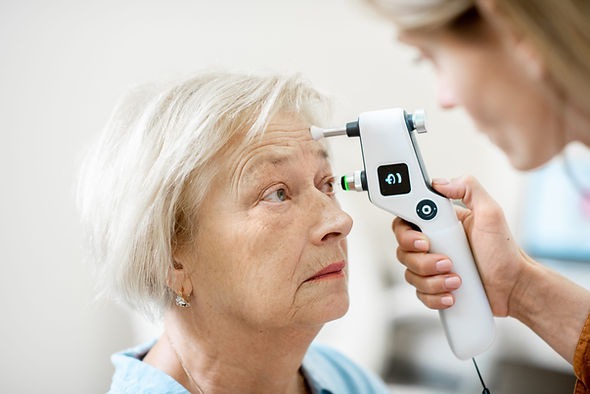
Tonometry to measure intraocular pressure
Optic nerve evaluation through detailed imaging
Visual field testing to assess peripheral vision
Other assessments to examine the drainage angle in the eye
These tests help your doctor identify early signs of optic nerve damage even before significant vision loss occurs.
Glaucoma Treatment Options
Summit Eye Care offers a range of glaucoma treatment options to help protect your vision and slow disease progression.
Learn More About Glaucoma Treatment
Why Early Detection Matters
Vision lost to glaucoma cannot be restored, but early diagnosis and monitoring can help slow or prevent further vision loss. Because glaucoma often progresses without symptoms, regular eye exams — especially for people with risk factors — are the best defense against irreversible damage.
Frequently Asked Questions About Glaucoma
What are the early warning signs of glaucoma?
Glaucoma often has no early symptoms. Over time, it may cause gradual peripheral vision loss if left untreated.
Can glaucoma cause blindness?
Yes. Untreated glaucoma can permanently damage the optic nerve and lead to vision loss or blindness.
Is glaucoma hereditary?
Family history is one of the major risk factors for glaucoma. Patients with relatives who have glaucoma should receive regular eye exams.
How is glaucoma diagnosed?
Glaucoma is diagnosed through eye pressure testing, optic nerve evaluation, visual field testing, and imaging of the optic nerve.
Can glaucoma be cured?
Glaucoma cannot usually be cured, but treatment can help slow or prevent additional vision loss.
Why am I losing my peripheral vision?
Peripheral vision loss can be an early warning sign of glaucoma caused by optic nerve damage.
Why do I have tunnel vision?
Tunnel vision can develop in advanced glaucoma when peripheral vision becomes severely narrowed.
Schedule Your Glaucoma Evaluation
If you have any risk factors for glaucoma or notice changes in your vision, contact Summit Eye Care in Winston‑Salem, NC to schedule a comprehensive eye exam. Early detection is key to preserving your vision and long-term eye health.
Call us at 336.765.0960


Summit Eye Care

Summit Eye Care P.A Surgery Center
Call Us Today:
336.765.0960
336.765.0960
Monday to Friday
8AM - 5PM
8AM - 5PM
© 2026 Summit Eye Care. All Rights Reserved. Accessibility Statement - Privacy Policy - Sitemap
