

3073 Trenwest Drive, 1st Floor
Winston-Salem, NC 27103

How Many IPL Sessions Does It Take to See Results for Dry Eye?
Dry eye can be frustrating when symptoms keep coming back despite using artificial tears or changing your routine. For many patients, dry eye is linked to inflammation and meibomian gland dysfunction, which affects the oil layer of the tear film. When the tears evaporate too quickly, the eyes can feel dry, gritty, watery, red, or irritated.
What Is IPL?
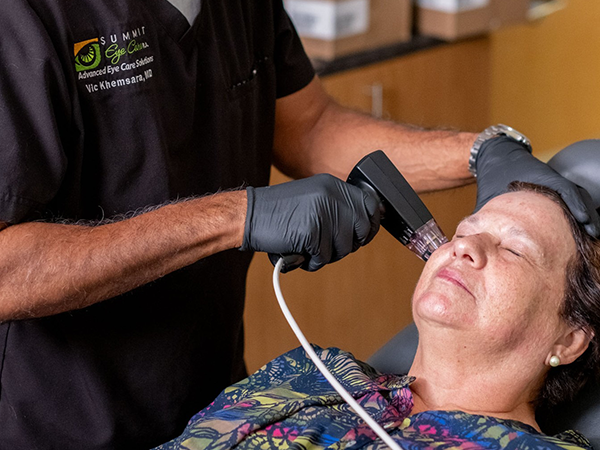
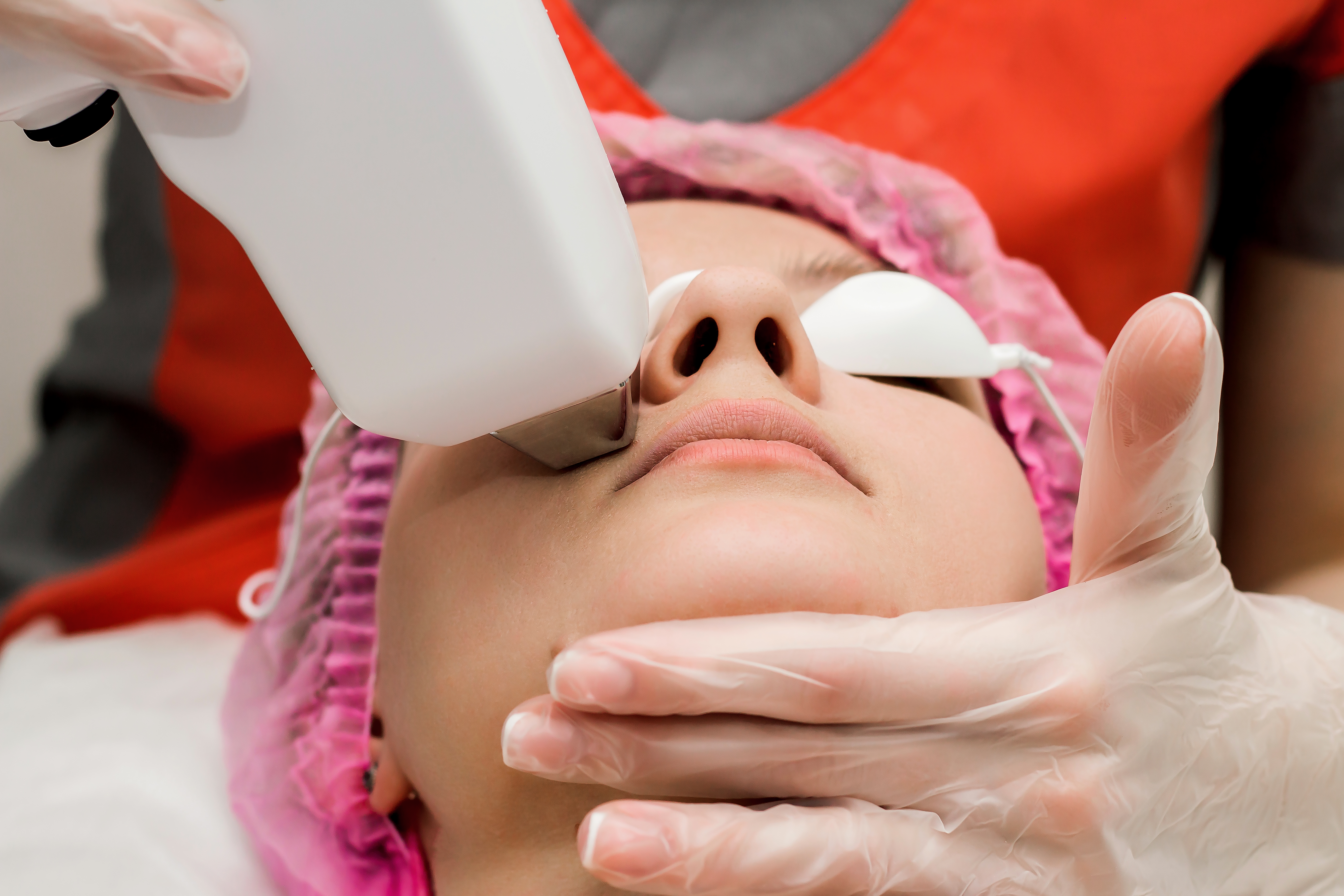
Intense Pulsed Light, also known as IPL, is an advanced dry eye treatment designed to help reduce inflammation around the eyelids and support healthier tear film function. At Summit Eye Care, IPL may be recommended as part of a personalized dry eye treatment plan, especially when symptoms are related to chronic inflammation or blocked oil glands.
How Many IPL Sessions Are Usually Needed?
Most patients need a series of 4-8 IPL sessions to see the best results for dry eye. While every case is different, treatment plans are typically spaced out over time so the eyelids and oil glands can respond gradually.
Some patients notice improvement after the first or second session, while others may need additional treatments before symptoms feel more manageable. The number of IPL sessions needed can depend on the severity of dry eye, how long symptoms have been present, and whether other conditions, such as blepharitis, rosacea, or meibomian gland dysfunction, are contributing to irritation.
Why Results Can Vary
Dry eye is not the same for every patient. Some people have mild symptoms that flare with screen use, allergies, or seasonal changes. Others have chronic dry eye that affects comfort, vision, and contact lens wear throughout the day. Because IPL targets inflammation and gland function, results often build over a series of treatments rather than appearing all at once.
Our eye doctor may also recommend combining IPL with other dry eye therapies to improve comfort and tear stability. A complete evaluation helps determine which approach is most appropriate for your eyes.
Signs IPL May Be Helping
As treatment progresses, patients may notice changes such as:
• Less burning, stinging, or gritty sensation
• Reduced redness around the eyes
• More stable vision throughout the day
• Less watering caused by irritation
• Better comfort while reading, using screens, or wearing contact lenses
These improvements may happen gradually, which is why follow-up visits are important. Your eye care team can track how your eyes are responding and adjust your dry eye treatment plan as needed.
What to Expect Before Starting IPL
Before recommending IPL for dry eye, your provider will evaluate your symptoms, tear film, eyelids, and meibomian gland function. This helps identify the exact type of dry eye and whether IPL is the right fit. Since dry eye can have several causes, the most effective treatment plan is one that addresses the source of the problem rather than only the symptoms.
Patients should also understand that maintenance may be needed over time. Dry eye is often a chronic condition, so periodic treatments or supportive at-home care may help keep symptoms under better control.
Start Your Dry Eye Treatment Plan
The goal of IPL is not just temporary relief - it is to help improve the underlying factors that contribute to dry eye symptoms. With a personalized plan, patients can better understand how many IPL sessions may be needed and what type of improvement to expect.
Schedule a dry eye evaluation with Summit Eye Care to get started on a personalized IPL treatment plan. Contact our office in Winston-Salem, North Carolina, by calling (336) 765-0960 to book an appointment today.


Summit Eye Care

Summit Eye Care P.A Surgery Center
Call Us Today:
336.765.0960
336.765.0960
Monday to Friday
8AM - 5PM
8AM - 5PM
© 2026 Summit Eye Care. All Rights Reserved. Accessibility Statement - Privacy Policy - Sitemap
