

3073 Trenwest Drive, 1st Floor
Winston-Salem, NC 27103

Cataract Surgery Planning: Matching Lens Options to Daily Life
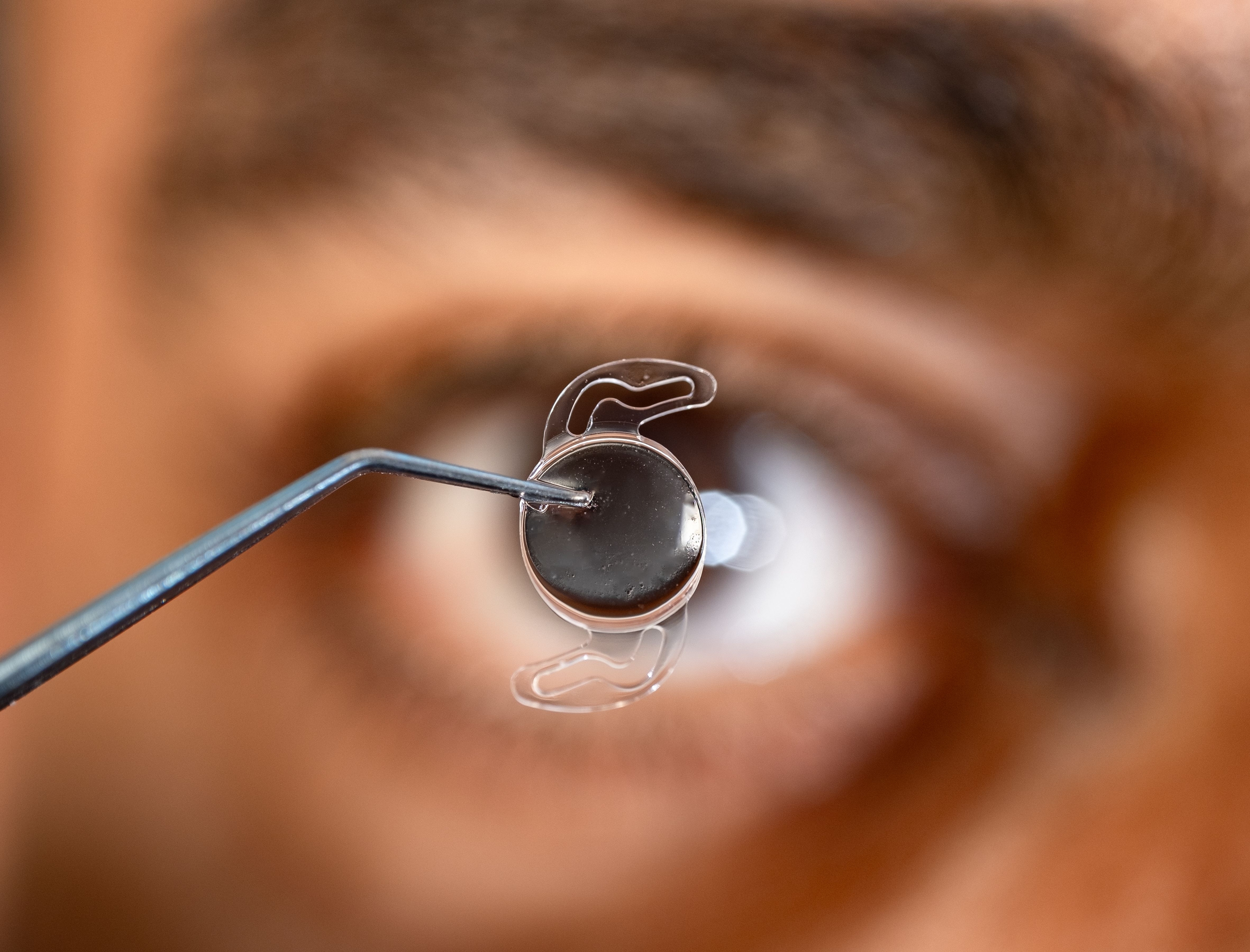
Cataract surgery replaces the eye's cloudy natural lens with a clear artificial lens, called an intraocular lens (IOL). While the procedure addresses cataract-related vision problems, choosing the right replacement lens involves more than improving clarity. It also means considering how you use your eyes throughout the day. At Summit Eye Care in Winston-Salem, NC, we help patients explore cataract lens options that align with their vision needs, lifestyle, and long-term goals.
Consider Your Daily Vision Needs
Everyone uses their vision differently. Someone who spends hours reading may have different priorities than someone who frequently drives or works on a computer. Before cataract surgery, consider which activities are most important to you and how much you would prefer to rely on glasses afterward.
Questions worth discussing during your consultation include:
Do you frequently drive at night or in challenging lighting?
Do you spend significant time reading, sewing, or using your phone?
Is clear computer or intermediate-distance vision important for your work?
Are you comfortable wearing glasses for certain activities?
Is reducing your dependence on glasses a primary goal?
Your answers can help us determine which lens technologies may be appropriate for your lifestyle.
Understanding Your Cataract Lens Options
At Summit Eye Care, we offer several intraocular lens options designed to address different visual needs.
Monofocal Lenses: These traditional lenses provide clear focus at one primary distance, typically far away. Patients who prioritize distance vision may still need glasses for reading and other close-up activities.
Toric Lenses: Designed for patients with corneal astigmatism, toric lenses help correct irregular focusing that contributes to blurry vision. Reading glasses may still be necessary depending on the lens and visual goals.
Extended-Range Lenses: These lenses provide a broader range of useful vision than traditional monofocal lenses. They may benefit patients who regularly switch between distance and intermediate tasks, although glasses may still be needed.
Light Adjustable Lenses: These specialized lenses allow prescription adjustments after cataract surgery using controlled light treatments. They require additional appointments and specific UV-protective eyewear during the adjustment process.
Each option has benefits and limitations, making an individualized evaluation essential.
How Eye Health Influences Lens Selection
Your lifestyle preferences are important, but your overall eye health also helps determine which lens is appropriate. During your cataract evaluation, we examine your eyes and review measurements that guide surgical planning. Factors such as astigmatism, corneal health, and other existing eye conditions can influence your options.
We also discuss realistic expectations. Some lenses may reduce dependence on glasses, but no option guarantees that glasses will never be needed. Certain designs may also involve visual tradeoffs, including glare or halos around lights.
Preparing for Your Cataract Surgery Consultation
A cataract consultation is an opportunity to discuss your symptoms, ask questions, and establish realistic vision goals. Consider sharing which activities have become difficult and what you hope to improve after surgery. We can explain the available lens options, discuss their differences, and help you understand what your eyes may be suited for.
If cataracts are affecting your daily activities, schedule a cataract surgery consultation with Summit Eye Care to explore lens options that fit your vision needs. Visit our office in Winston-Salem, NC, or call (336) 765-0960 to book your appointment today.


Summit Eye Care

Summit Eye Care P.A. Surgery Center
© 2026 Summit Eye Care. All Rights Reserved. Accessibility Statement - Privacy Policy - Sitemap
